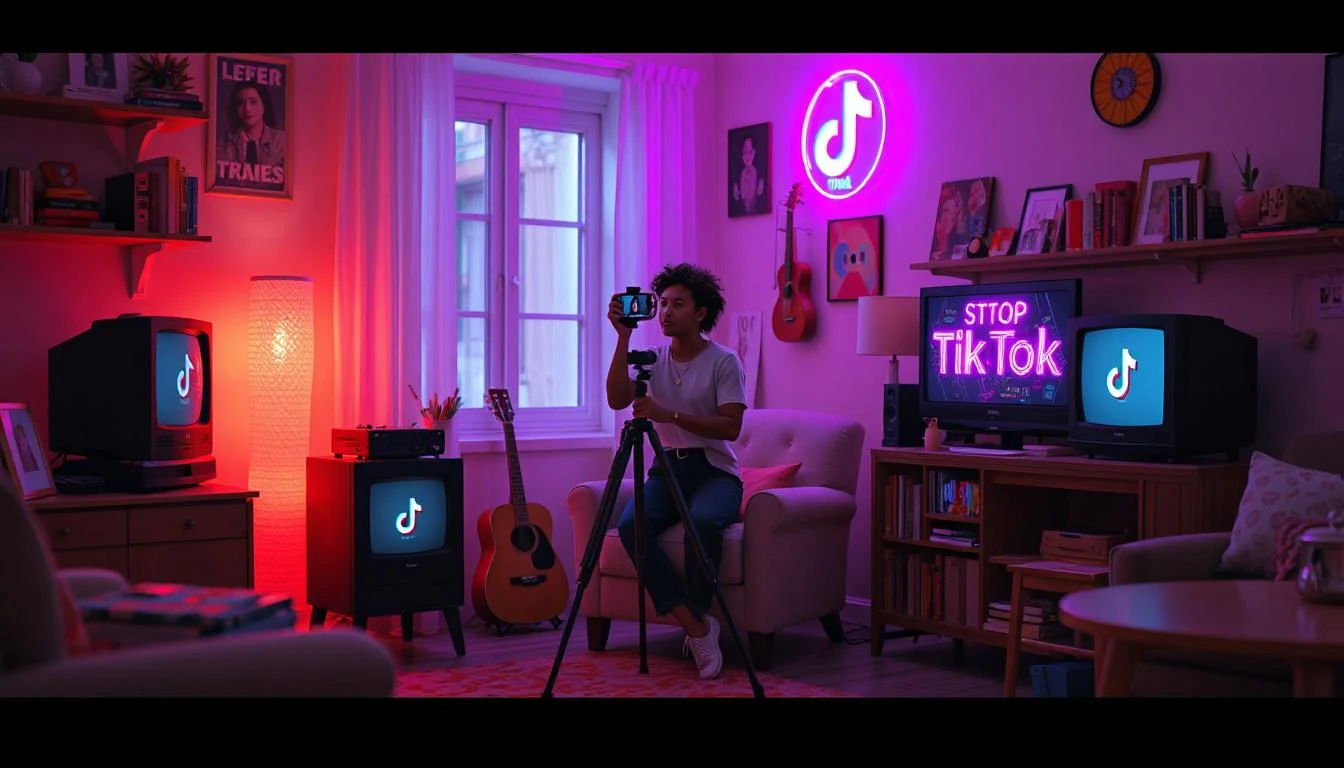
TikTok Nostalgia Trend Returns
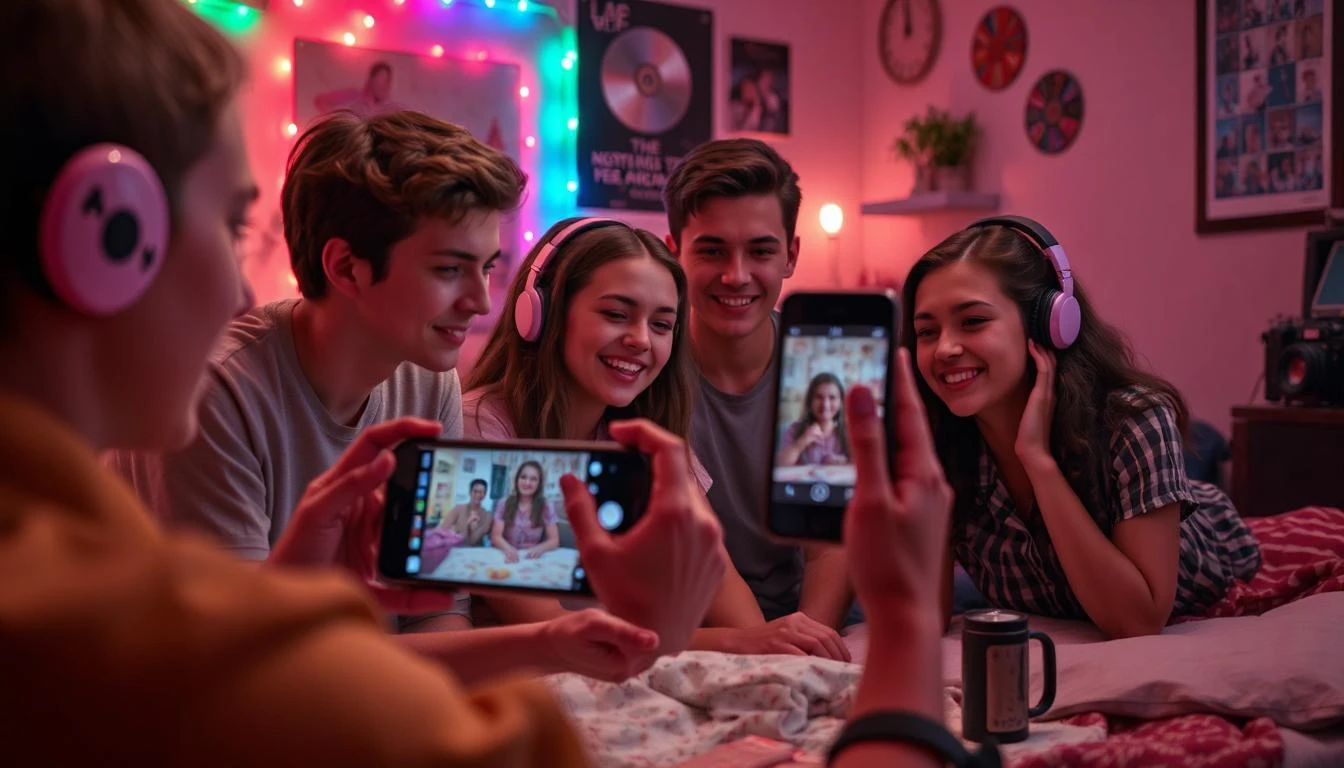
TikTok is no longer just a platform for fast-moving dances and trending audio clips. Over the past few months, users have started reviving old internet aesthetics, forgotten music, and emotional throwbacks that instantly reconnect people with moments they thought were left behind. From grainy camera filters to edits inspired by early social media culture, nostalgia has become one of the most powerful storytelling tools shaping online conversations today.
The rise of nostalgic social content shows how audiences are searching for something deeper than temporary entertainment. People are spending more time watching videos that remind them of childhood memories, vintage internet culture, and emotional experiences tied to older digital eras. Media psychologist Pamela Rutledge once explained that “nostalgia strengthens emotional identity because familiar memories create comfort during periods of rapid change.” That emotional connection is exactly why retro-inspired content continues dominating modern social media feeds.
Why Nostalgia Content Is Trending Again
The internet moves faster than ever, but audiences are unexpectedly looking backward instead of forward. In the middle of nonstop algorithm-driven trends, nostalgic content feels more personal, emotional, and authentic. That shift is pushing creators to revisit older aesthetics and storytelling styles that once defined earlier generations of online culture. The growing popularity of retro tiktok culture trends also proves that audiences are becoming more emotionally connected to familiar digital experiences rather than constantly chasing brand-new viral formats.
Emotional connection through retro videos
Retro-inspired videos create an emotional bridge between past and present experiences. A simple sound effect, blurry visual filter, or old ringtone can instantly trigger memories that audiences have not revisited in years. That emotional reaction naturally increases comments, shares, and replay value because viewers feel personally connected to the content.
Popular aesthetics from past internet eras
Older internet aesthetics are making a strong comeback across TikTok and short-form platforms. Glitter graphics, pixelated transitions, camcorder overlays, and early 2000s typography are no longer considered outdated. They now represent authenticity in a digital environment often filled with repetitive content.
Gen Z interest in old digital culture
One of the most interesting parts of this trend is how younger audiences are embracing internet eras they never personally experienced. Gen Z users are discovering old web culture through archived clips, nostalgic edits, and recreated aesthetics inspired by early online communities.
TikTok Trends Shaping Online Culture
Social media trends today are no longer driven only by speed and virality. Emotional storytelling now plays a bigger role in shaping online culture, especially when creators combine relatable memories with visually engaging content. Nostalgia gives audiences something that feels human in the middle of endless scrolling.
Viral music from previous generations
Songs from the late 1990s, early 2000s, and even early 2010s are finding new life through TikTok trends. Older tracks are being rediscovered by younger audiences and reshaped into viral audio clips that spread rapidly across multiple platforms. According to cultural strategist Douglas Rushkoff, “nostalgia-driven media becomes powerful because people naturally seek emotional familiarity during uncertain cultural shifts.” That explains why familiar songs instantly create stronger emotional reactions compared to newer audio trends.
Fashion and editing styles making a comeback
Fashion trends inspired by previous decades are also dominating TikTok feeds. Oversized jackets, vintage sneakers, wired headphones, and low-resolution photography aesthetics are appearing in millions of videos because they create a sense of individuality and emotional storytelling.
The influence of nostalgic storytelling
Nostalgic storytelling encourages viewers to emotionally participate instead of simply consuming content passively. Videos centered around forgotten memories, childhood experiences, and old internet habits create stronger audience retention because viewers feel personally included in the narrative.
The Impact Of Nostalgia On Engagement
Nostalgia is not only shaping trends. It is also influencing how platforms measure successful content. Emotional videos consistently generate longer watch time, stronger interaction, and higher community engagement because people naturally connect with shared memories. As audiences continue searching for emotional familiarity, creators who understand nostalgic storytelling are gaining stronger visibility compared to accounts focused purely on fast-moving trends.
Higher interaction through emotional content
Emotionally driven videos encourage audiences to comment and share their own memories. When viewers recognize a familiar sound, visual style, or cultural reference, they become more likely to interact because the content feels personal rather than generic.
Community building with shared memories
Nostalgia also creates communities around shared experiences. Whether people remember old cartoons, early gaming culture, or vintage internet moments, those collective memories help audiences feel connected to one another.
How nostalgia increases watch time
Videos built around emotional anticipation tend to hold audience attention longer. People continue watching because they expect a recognizable memory, emotional payoff, or satisfying reveal connected to the story being told.
Create Viral Content With Nostalgia Trends
The strongest nostalgic content does not simply imitate old aesthetics. It creates emotional experiences that feel authentic, relatable, and culturally meaningful. Creators who successfully combine retro visuals with modern storytelling often build stronger audience loyalty because viewers connect with the emotions behind the content. As TikTok continues evolving, nostalgia is becoming more than a temporary trend. It reflects how audiences want social media to feel again personal, expressive, emotional, and memorable. That shift is changing the future of digital storytelling in ways many creators are only beginning to understand. Before audiences move on to the next viral phase, one thing is becoming increasingly clear. People are not only chasing entertainment anymore. They are searching for connection, familiarity, and stories that remind them why certain moments once mattered.